Pick the state where you vote.
Click on the state where you vote, then choose your county and enter your address to pull the contests Google Civic has for your exact ballot.
Eight people are running to lead California after Newsom. Here's where they actually stand.
With Gavin Newsom term-limited, the June 2, 2026top-two primary is the most consequential California gubernatorial contest in a generation. Six Democrats and two Republicans are competing — but only the top two finishers, regardless of party, advance to November. We've boiled each campaign down to the same eight issue questions so you can compare them apples-to-apples.
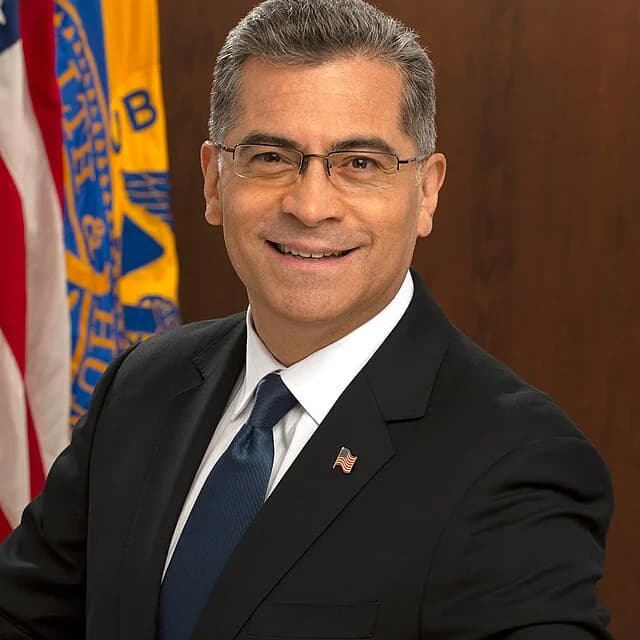
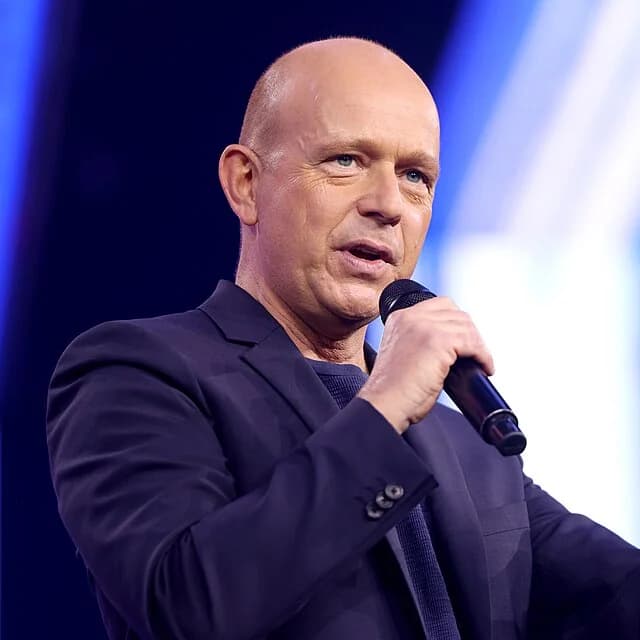
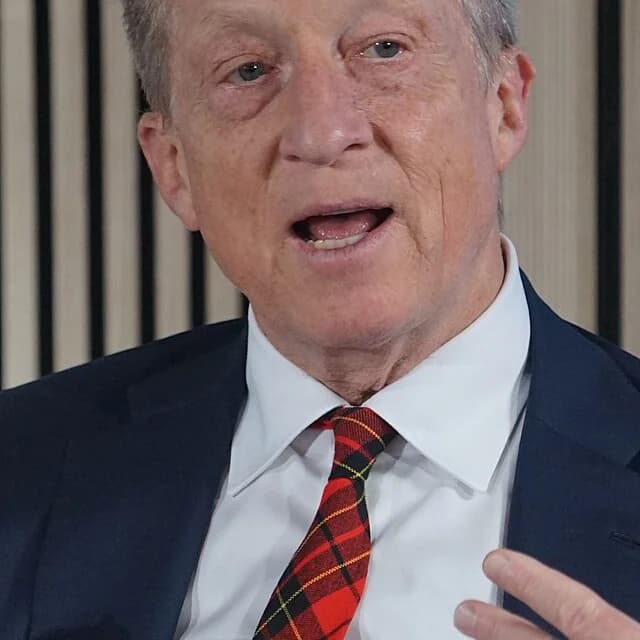
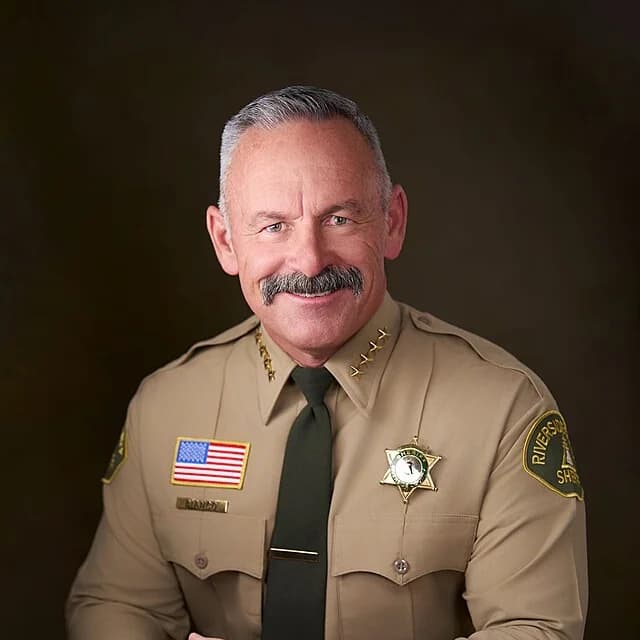
Becerra and Hilton are running for two slots, not one.
California's top-two primary advances the two highest finishers regardless of party — meaning a fragmented Democratic field and a consolidated Republican one could plausibly send two Republicans to November. The polling shows that risk is real.
Steyer is self-funding past everyone else.
Tom Steyer's billionaire wallet has poured tens of millions into broadcast TV, dwarfing every other candidate's traditional fundraising — and putting Hilton's Trump-backed war chest in second place.
The eight candidates, on two axes.
The horizontal axis runs from progressive (left) to conservative (right). The vertical axis runs from outsider (bottom) to establishment (top). Placement is editorial, based on each candidate's stated platform, prior office, and donor base.
6 Democrats on the ballot.
Xavier Becerra
Becerra argues that with Trump back in the White House, California needs a governor who has already managed a federal agency and litigated against the Trump administration.
Tom Steyer
Steyer pitches a state-level Green New Deal funded by his own checkbook, arguing only an outsider with money can break the donor class's grip on Sacramento.
Katie Porter
Porter casts the race as a referendum on corporate power and corruption, leaning on the brand she built grilling executives at congressional hearings.
Matt Mahan
Mahan pitches a results-obsessed governorship — outcomes-based contracting, accountable nonprofits, and willingness to enforce public-space rules — as the only Democratic answer to homelessness politics.
Antonio Villaraigosa
Villaraigosa frames himself as the experienced executive who can deliver on housing, public safety, and the economy without ideological detours.
Tony Thurmond
Thurmond — a former social worker who became California's chief K-12 officer — pitches a governorship anchored in education, social safety net expansion, and protecting young people from federal rollbacks.
2 Republicans on the ballot.
Steve Hilton
Hilton frames the race as a chance for California to break with its 'failed elite consensus' — leading on housing deregulation, immigration enforcement, and what he calls 'positive populism.'
Chad Bianco
Bianco runs as an outsider lawman — pledging to declare a homelessness emergency on day one, end sanctuary cooperation, and make California 'safe again.'
Each candidate's record was distilled into the same eight issue questions, scored on a five-step stance scale from strongly opposes to strongly supports. Scores come from voting records, official campaign positions, and on-the-record statements.
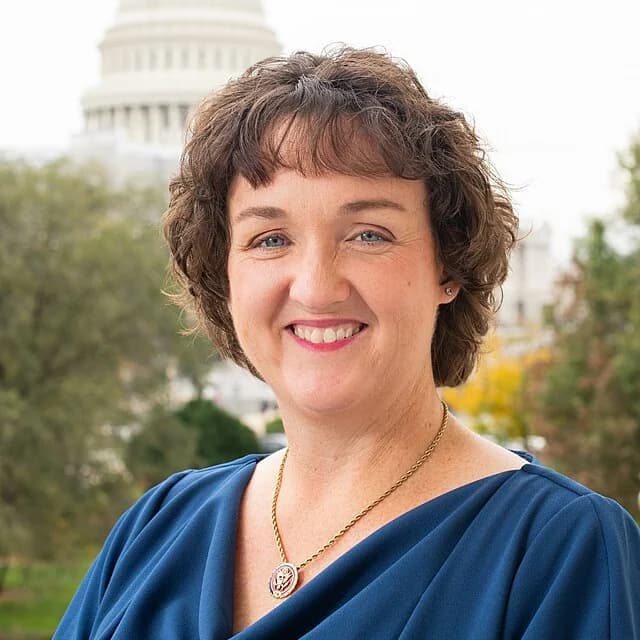
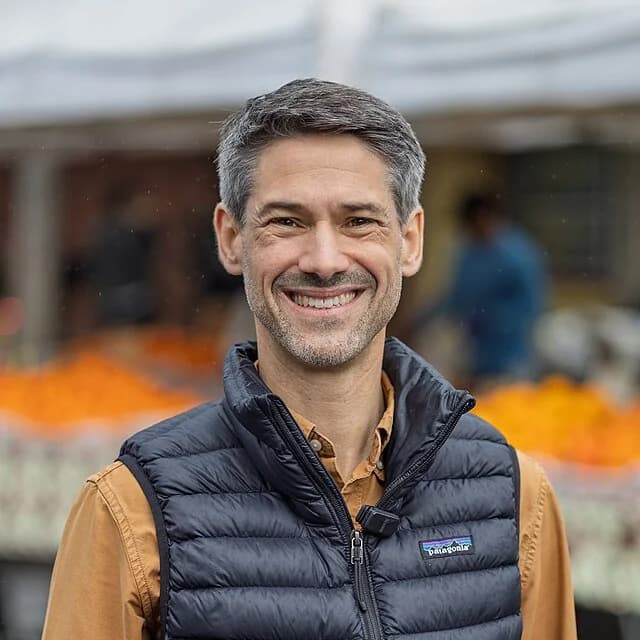
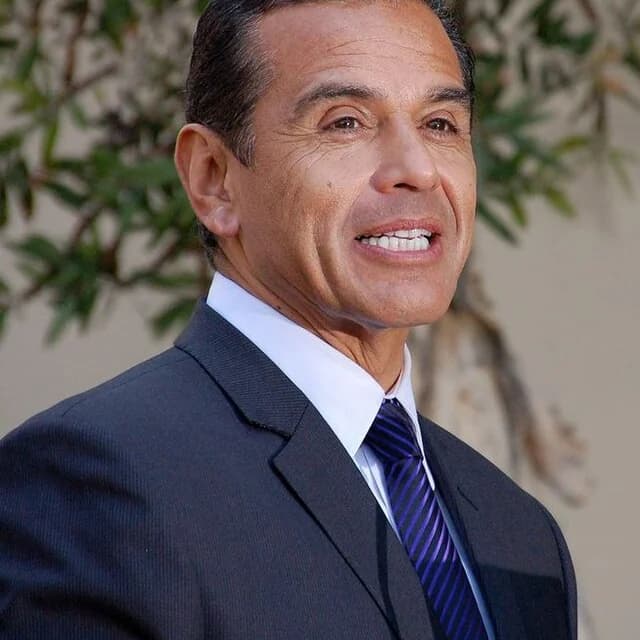
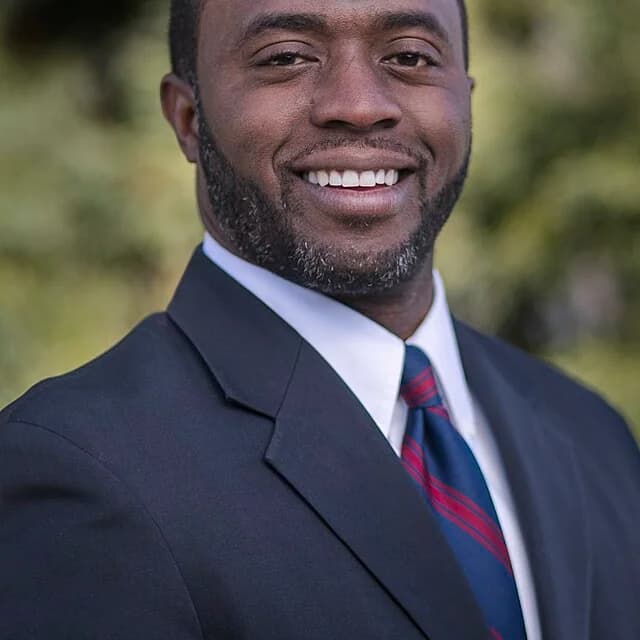
Candidate portraits are sourced from Wikimedia Commons. Each candidate's profile page lists the original photographer and license credit.
California's primary is June 2, 2026. Mailed ballots arrive in early May. Confirm your registration at registertovote.ca.gov.